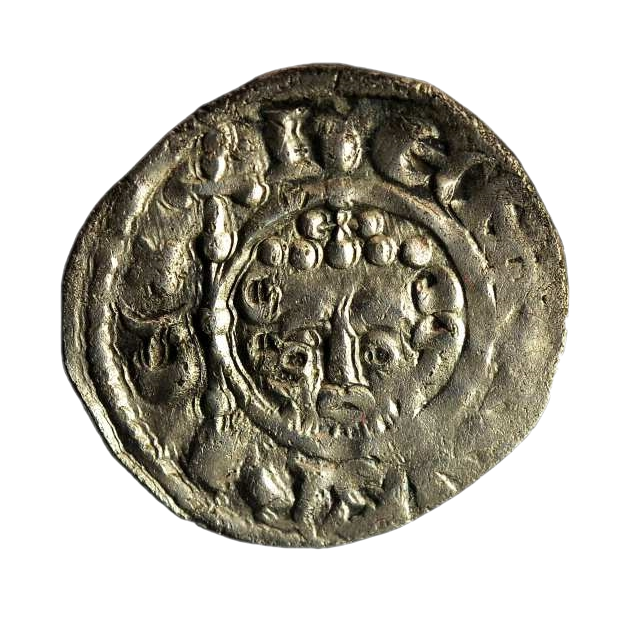
A new coinage was needed to replace the poorly struck and irregular flans of the Cross & Crosslet "Tealby" Coinage. So 22 years into Henry II's reign he introduced a new penny. This would continue to be the style for the next 67 years, lasting through his reign and that of his sons Richard I "the Lionheart" and John, and for 30 years into his grandson Henry III’s reign, until the introduction of the voided long cross penny.
Short cross coins are aptly named for the short cross on the reverse. The voided cross was used as a marker to cut along to create smaller denominations as the penny was the only coin produced, in half for a Halfpenny and into quarters for Farthings. They did experiment with a round halfpenny and farthing in Henry III's reign but with the low numbers still around today and the lack of continuation into later coinage, they were clearly not successful.
The general style stayed the same throughout with the obverse legend reading "hENRICVS REX" — the Latin form of the king’s name, meaning there were no English coins in the names of Richard I or John. The reverse design always had the small cross in the centre with a quatrefoil of pellets in the angles. This was surrounded by the reverse legend, which started with a cross, followed by the moneyer’s name, then ON and an abbreviation of the mint signature.
There are many mints, moneyers and classes which make the short cross coinage fascinating for collectors. We will go into more detail below, but first — how do you identify which monarch your coin was struck under? Here are some quick identification tricks to get you started.
What to look out for to identify coins of Henry II. There are three simple ways (Classes 1a to 1c):
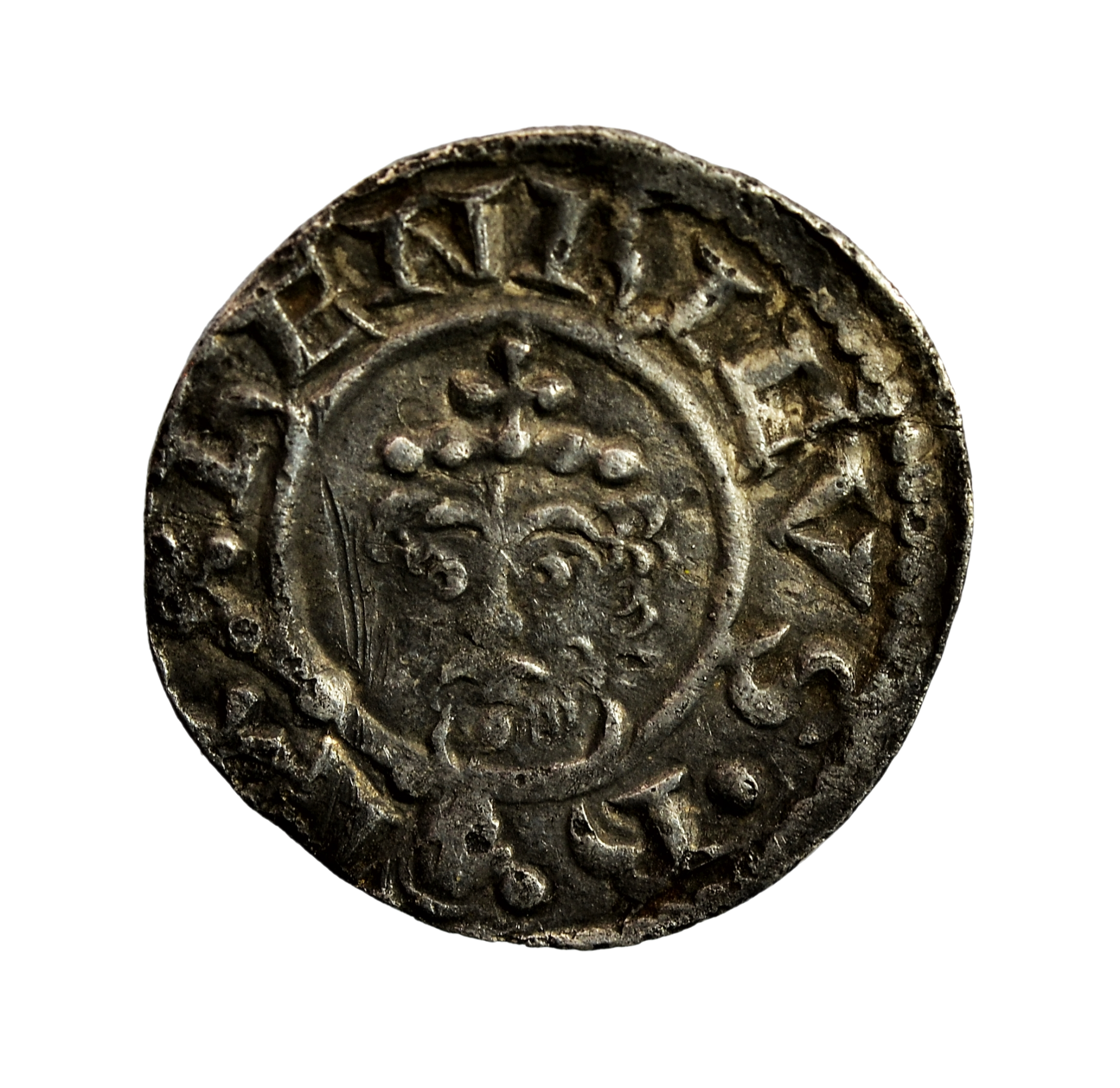
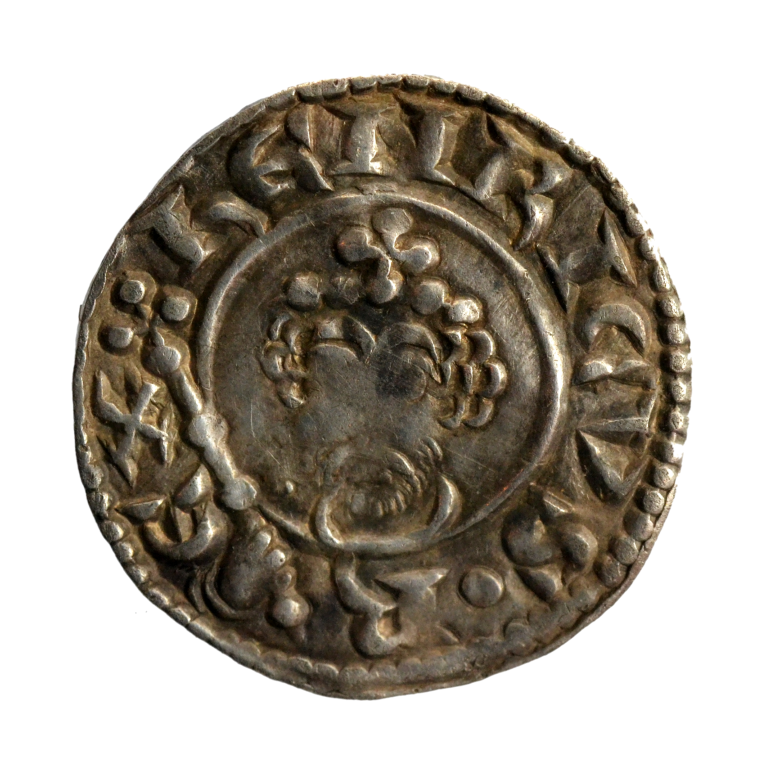
.png "Hair curls 2 - 5 , pellet after hENRICVS")
Identification tips for the Lionheart, classes 2–4b:


John’s classes are 4c–6b, with 5b and 5c being most common and easiest to identify.
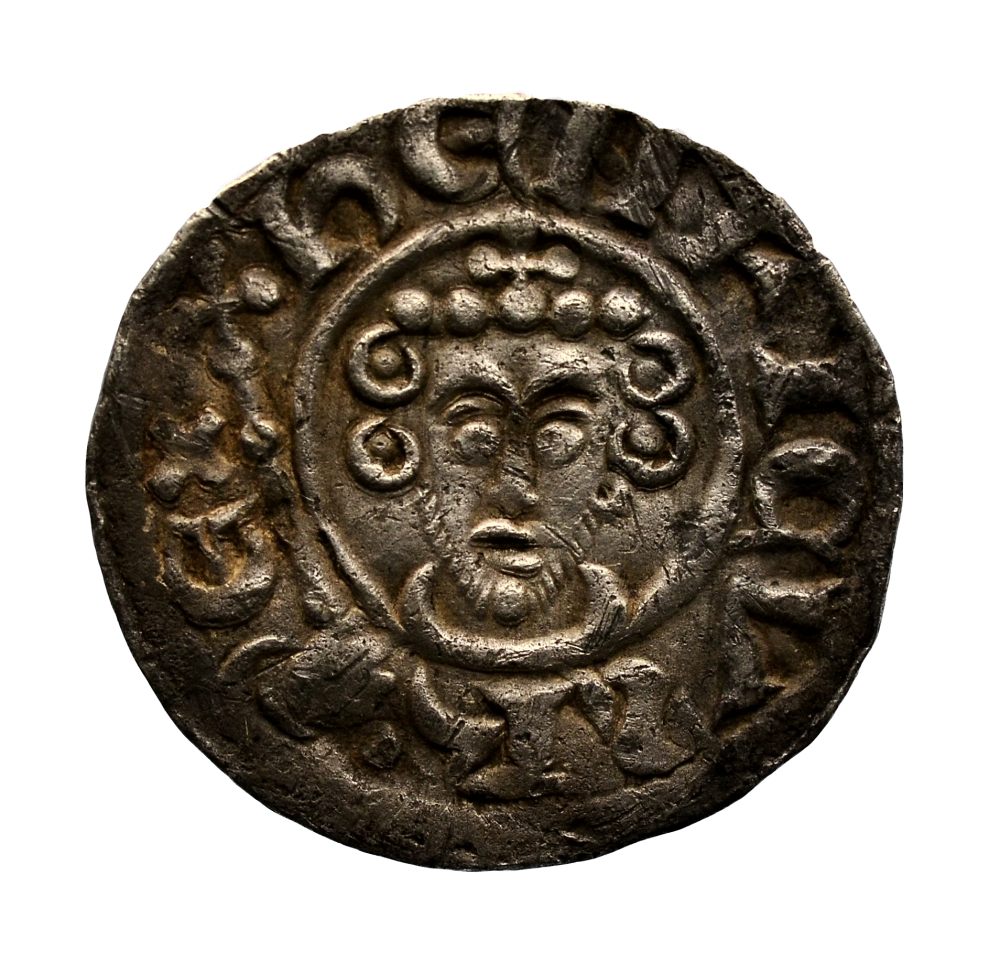


Classes 6c–8c are covered in this reign — the most common, largely due to production over 30 years.